
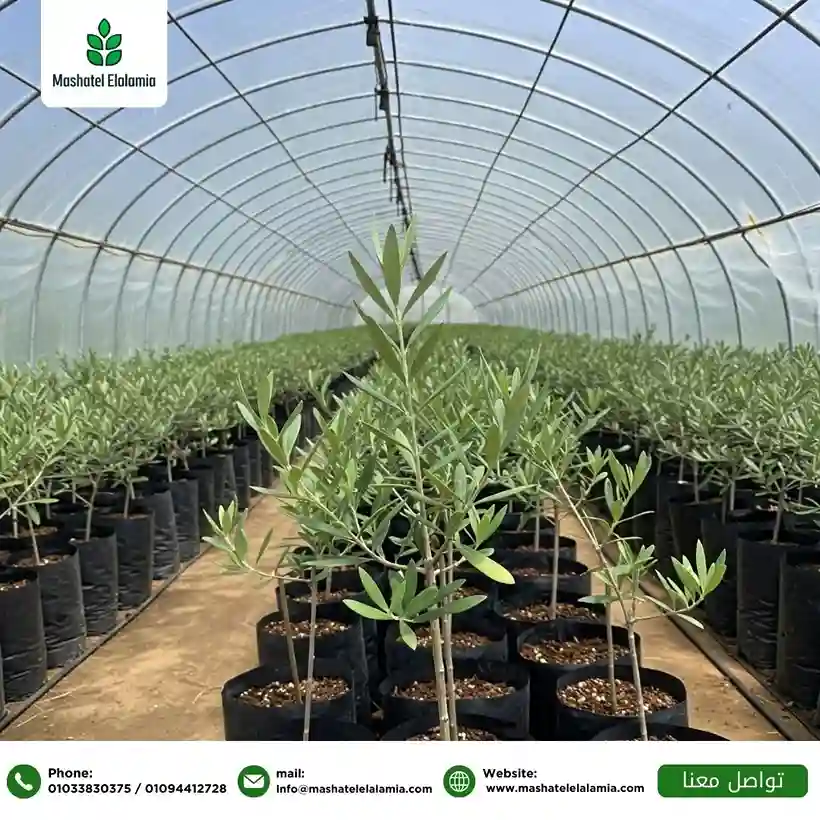
Olive Farming Opportunities in Tanzania 2026: High-Yield Varieties for Semi-Arid Regions
Olive Farming Tanzania 2026 As climate conditions continue to evolve across East Africa, Tanzanian farmers are actively searching for crops that balance profitability, resilience, and water efficiency.
In semi-arid regions such as Dodoma and Singida, traditional crops like maize and rice are becoming increasingly costly and risky.
As a result, olive farming has emerged in 2026 as one of the most promising alternatives for sustainable agribusiness.
At the center of this transformation, Global Agricultural Supplies Nurseries supplies Tanzania with elite olive seedlings carefully selected for high oil quality, drought tolerance, and long-term productivity.
Why Central Tanzania Is Ideal for Olive Cultivation
To begin with, olive trees are globally known for their longevity and adaptability.
Unlike many fruit crops, olives can thrive in marginal soils while requiring minimal irrigation once established.
For Tanzanian investors, this creates a powerful advantage:
Water Efficiency
Once mature, olive trees demonstrate exceptional resistance to drought.Premium Market Demand
Olive oil continues to gain popularity in Tanzania’s urban and health-conscious markets.Reduced Input Costs
Compared to other fruit trees, olives require fewer agrochemicals and lower labor intensity.
Consequently, olive farming offers a rare combination of sustainability and high economic return.
Recommended Olive Varieties for Tanzanian Conditions
At Global Agricultural Supplies Nurseries, variety selection is driven by performance—not trends.
Therefore, we recommend olive cultivars that have proven success in Mediterranean-like environments similar to central Tanzania.
Koroneiki
First and foremost, Koroneiki is internationally recognized for its exceptional oil yield and stability.
Despite its small fruit size, it delivers premium-quality oil and shows outstanding drought resistance.
Arbosana
Similarly, Arbosana is a compact variety ideal for high-density planting.
Moreover, it enters production early and maintains consistent yields.
Coratina
In addition, Coratina is highly adaptable and produces oil rich in antioxidants, making it especially attractive to health-focused consumers.
Maraki
Finally, Maraki stands out for its robustness, tolerating temperature fluctuations and diverse soil types without sacrificing productivity.
Together, these varieties give Tanzanian farmers flexibility and strong market positioning.
From Egyptian Nurseries to Tanzanian Fields: Technical Excellence
So, why source olive seedlings from Global Agricultural Supplies Nurseries?
First, all seedlings are propagated using advanced mist-rooting systems, producing strong, fibrous root structures that establish rapidly in Tanzanian soils.
Moreover, our specialists provide guidance on selecting varieties based on altitude, rainfall, and soil drainage.
In addition, all stock is certified free from soil-borne pathogens, including Verticillium wilt, ensuring a healthy plantation start.
Finally, international logistics are fully managed, guaranteeing that seedlings arrive at the Port of Dar es Salaam in peak physiological condition.
As a result, growers receive planting material ready for immediate success.
Position Yourself Early in Tanzania’s Olive Oil Market
In agriculture, early adoption often defines long-term leadership.
Therefore, establishing an olive grove today positions your farm at the forefront of Tanzania’s emerging olive oil industry.
By planting certified Egyptian olive seedlings in 2026, investors gain:
Early market entry
Lower production risk
A long-term perennial asset
Expert Insight 2026
The semi-arid belt of Tanzania closely mirrors Mediterranean conditions, making varieties such as Koroneiki exceptionally suitable for olive oil production.
Speak with Our Olive Specialists
In conclusion, olive farming represents one of the most strategic agricultural investments in Tanzania today.
Take the first step toward a sustainable and profitable olive project by contacting Global Agricultural Supplies Nurseries for:
Professional consultation on variety selection
The 2026 export price list for Tanzania
Technical guidance from nursery to establishment